For over 40 years, Butterworth Laboratories has provided independent, contract analytical services to the global pharmaceutical and related industries.
It all begins with the sample: the importance of sample integrity and storage
27 August 2026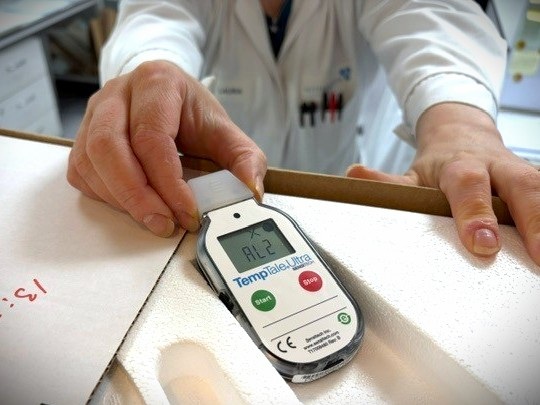
A lot can happen to a sample before it reaches the lab for analysis. How certain are you that your sample hasn’t been compromised before an analyst has even opened the container?
You may have a robustly validated analytical method, but if the sample is compromised before testing begins, the analysis may be doomed before any results are generated. Any analysis performed will be representative of the sample only at the time of analysis, which may differ from that at the time of sampling.
So where might the problems arise? The first consideration is sampling. Most companies have detailed procedures outlining how sampling is performed, but the people taking the samples may be inexperienced or lack a scientific background, so they will need robust training and monitoring.
When setting up sampling protocols, consideration needs to be taken as to whether the sample may be affected by a number of environmental factors, such as:
- Exposure to air, including exposure to oxygen and water, which can cause the sample to react or take on moisture (especially if it is hygroscopic)
- Light, some materials will degrade on exposure to various wavelengths
- Light, some materials will degrade on exposure to various wavelengths
- Mechanical disturbance, this can affect large polymers, which can distort and may break or form new bonds in some molecules
- Exposure to biological agents, which can result in bacterial or fungal growth, can compromise the sample
- Temperature, unsuitable temperature, can result in direct damage or further aggravate a number of the above factors
A risk assessment performed for each sample type may be beneficial as it will identify potential sampling and storage risks.
The other major consideration is container type. There are many different ways in which unsuitable containers can compromise a sample, some of which are detailed below;
- Plastic containers should not be used to store most organic solvents (unless compatibility has been checked) as they may dissolve or leach.
- Metal containers should not be used to store acids, e.g. HCl, as the acid can corrode the metal and even create a flammable gas.
- Glass can leach trace amounts of elements such as sodium, aluminium and other metals, especially when used to store liquids.
- Polycarbonate containers are particularly prone to picking up static, which can be transferred to the sample and affect weighing. Polycarbonate should be avoided unless no alternatives are available.
- Don’t forget the lid! These also need to be assessed for compatibility with the sample.
As well as the material used to make up the container, there are other important considerations that need to be considered;
- For hygroscopic materials (such as Potassium Hydroxide Pellets, Sodium Hydroxide Pellets, Crospovidone, Povidone and Copovidone), the headspace in the container should be kept to a minimum to reduce exposure to moisture, which can impact the analysis.
- Consideration should be given as to whether to split samples across more than one container. This allows each container to only be opened for a specific test, reducing the exposure of the sample to air and moisture
- The lids on the containers should be tightly closed and sealed with tape or Parafilm to avoid leaks and cross-contamination in transit.
- Glass bottles should be individually wrapped in bubble wrap and sealed in Ziploc bags to avoid breakages in transit.
- If material is particularly susceptible to air, it should be purged with a suitable inert gas.
- Climate change is leading to more frequent temperature extremes; ambient transit may no longer be sufficient for some sample types susceptible to heat above 30ºC.
After accepting all manner of samples for analysis for over 50 years, we have seen it all at Butterworth Laboratories. Here are some more tips and common problems we have seen that may help you with future sample shipping;
- Check that the courier will deliver the shipment at a time when the accepting site will be open. You don’t want your precious samples cooking in the back of a van over the weekend! Plus, be aware of local bank holidays
- We receive around 2 submissions a month where the sample has leaked and so compromised the analysis. Check your container for any leaks by carefully rotating and agitating before shipping.
- Sealing a sample with Parafilm can be a double-edged sword: it is widely used in our industry, but it is not compatible with many solvents. Parafilm is not a substitute for a suitable, well-sealed container and lid.
- Avoid sending samples in zip-lock or plastic bags if at all possible. They have a high risk of leaking and are difficult for analysts to sample.
- Although sometimes more expensive, it is worth using specialist couriers when appropriate. They can provide data loggers, appropriate packaging and dry ice/ice packs and can replenish these during transit so the sample remains at the correct temperature.
- Include completed documentation to avoid delays and so that storage conditions are clear on arrival. Make sure the labelling on your sample matches that on your paperwork.
- If you are supplying standards and reagents for analysis, the same considerations apply.
- If a test requires water or loss on drying correction, it is best practice, and often critical, to perform these tests at the same time as the test to be corrected. If you already have a water or loss-on-drying result, consider having it tested again to ensure it accurately reflects the sample at the time of analysis and to prevent unnecessary out-of-specification results. As you can see, there is a lot to consider when sending samples. If you need any further information or have any questions, do not hesitate to contact us for advice. It’s all part of the service to ensure you get the best results every time.
As you can see, there is a lot to consider when sending samples. If you need any further information or have any questions, do not hesitate to contact us for advice. It’s all part of the service to ensure you get the best results every time.
Tim Goddard – Laboratory Manager – General & Inorganic
Laura Stokes – LAboratory support Manager