For over 40 years, Butterworth Laboratories has provided independent, contract analytical services to the global pharmaceutical and related industries.
When Ambient Isn’t Ambient: Revisiting a Question Raised in 2023
24 June 2026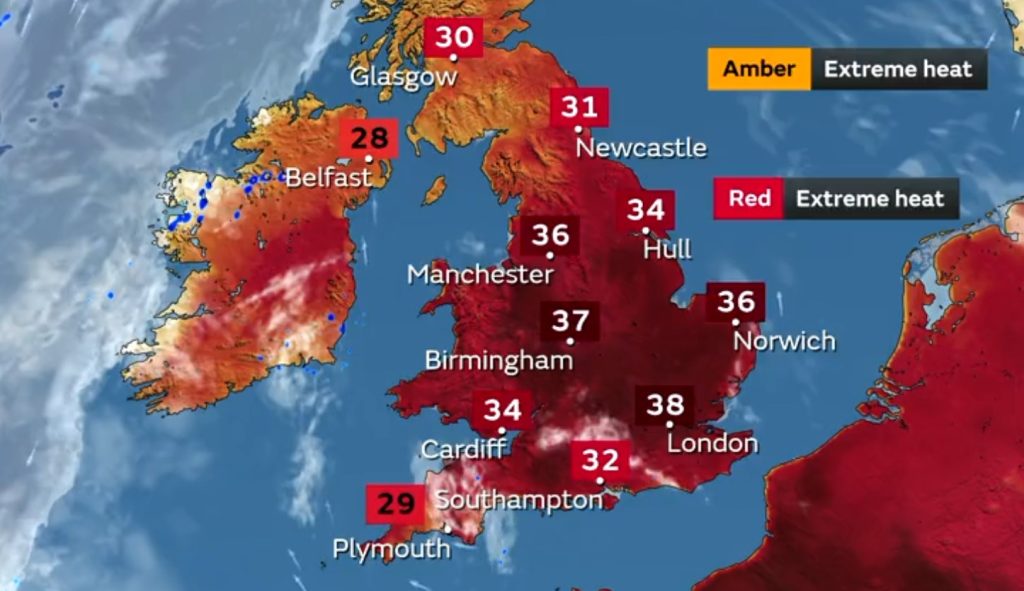
In 2023, I wrote a blog questioning whether the pharmaceutical industry was paying sufficient attention to the risks associated with storing and transporting materials at “ambient” temperatures.
At the time, the question was prompted by the record-breaking temperatures experienced during the summer of 2022. Whilst temperature control for refrigerated and frozen materials is well established, I wondered whether we were overlooking the potential impact of heat exposure on materials intended for storage under ambient conditions.
Three years later, as the UK experiences another significant heatwave, it seems an appropriate time to revisit that question.
At Butterworth, we routinely receive samples from clients, packaged with temperature-monitoring devices, when refrigeration or frozen storage is required. This reflects a clear understanding of the risks associated with cold-chain transport.
However, we continue to see relatively little focus on the transportation of materials intended for storage at ambient temperatures.
Our sample storage facilities are maintained and continuously monitored within the pharmacopoeial range of 15–25°C. The challenge is what happens before samples arrive at our laboratory.
During periods of hot weather, temperatures inside delivery vehicles, courier depots, warehouses and even office reception areas can easily exceed 25°C for prolonged periods. In some cases, temperatures may be considerably higher than those recorded by local weather stations.
For many materials, this may have little or no impact. However, for others, repeated or extended exposure to elevated temperatures could affect stability, alter physical characteristics, or potentially influence analytical results. The risk will depend on the nature of the material, the duration of exposure and the temperatures encountered.
The questions raised in 2023, therefore, remain relevant today:
- Are companies assessing elevated ambient temperatures as part of their sample transport and storage risk assessments?
- Should temperature monitoring be considered for certain materials transported under ambient conditions during periods of extreme weather?
- Are suppliers of reference standards and critical materials adequately considering the risks associated with increasingly frequent temperature excursions above 25°C?
- Do current regulatory expectations sufficiently reflect the reality of modern UK summer temperatures?
Climate scientists continue to predict that heatwaves will become more frequent and more intense. If that proves to be the case, the industry may need to reconsider what “ambient” conditions mean and whether existing practices remain appropriate.
The purpose of raising these questions is not to suggest that all ambient-stored materials require additional controls. Rather, it is to encourage discussion around an area that may not always receive the same level of scrutiny as refrigerated or frozen storage.
The heatwave currently affecting much of the UK serves as a useful reminder that assumptions made about ambient temperatures a decade ago may no longer hold true today.
Perhaps the question first asked in 2023 is even more relevant now: are we paying enough attention to the risks associated with ambient-temperature storage and transportation?
John Welch
Associate Director – Business Operations