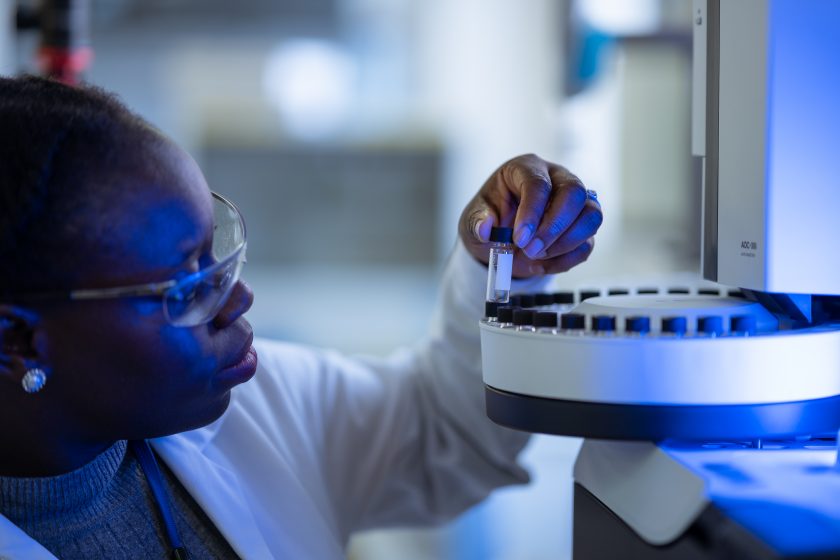
The presence of oxygen can cause product deterioration through oxidation, while moisture can lead to degradation by hydrolysis. MAP is the process in which the air in the product packaging is flushed with a dry, inert gas, such as nitrogen or carbon dioxide.
What are the benefits of Modified Atmospheric Packaging (MAP)?
- MAP can reduce the likelihood of oxidation and hydrolysis reactions with the product. Many pharmaceutical products are sensitive to oxygen or moisture, which can cause API degradation, reduce potency or affect stability.
- Reduce the need for chemical preservatives: In some packaging scenarios (especially food, but also pharma/medical devices), MAP can reduce reliance on added preservatives by excluding oxygen and water.
- Extended shelf-life.
What packaging systems can be QC tested?
All types of product packaging and containers can be evaluated, including:
- Plastic/foil film packages/sachets
- Rigid plastic containers
- Infusion bags
- Septum-capped containers
- Pressurised gas inhalers, aerosol cans and other gas containers
- Glass/plastic snap-ampoules
- Blister packs
What volumes of gas, and which techniques, can be used for testing?
- Using gas chromatography with a Barrier Ionisation Discharge detector, small volumes (< 1 mL) can be tested down to ppm levels for various gases and moisture
- Using Gas Chromatography with a Thermal Conductivity detector, small volumes (< 1 mL) can be tested for % levels of various gases and moisture
Cost efficiency of residual oxygen testing?
When larger volumes of sample (>1000 mL) are available for oxygen content analysis, two types of solid-state oxygen probes offer a fast, cost-effective alternative to gas chromatography.
- Zirconium cell analysis for 0.1% up to 100% of oxygen
- Para-magnetic cell analysis for ppm levels of residual oxygen
Why use Butterworth Laboratories?
We have highly motivated staff and extensive experience, developed over many years, to demonstrate true expertise in all of the above QC testing requirements, across both the pharmaceutical and other industries, using published standards and in-house procedures. We have developed bespoke in-house sampling techniques for MAP analysis across a number of commonly used packaging forms.
Frequently Asked Questions
This may be possible depending on the product specification and available sample volume.
Manufacturers typically re-test when there is a change in barrier materials, sterilisation processes, manufacturing locations or even the product’s shipping configuration.
Yes. Analytical data generated from packaging and container testing can support regulatory submissions, quality investigations, supplier qualification, and ongoing stability programmes.
By identifying the exact level of protection needed, companies can avoid “over-packaging,” which reduces material costs and shipping weight.
Yes. Butterworth has experience developing and validating bespoke analytical methods tailored to specific products, packaging systems, and client requirements.