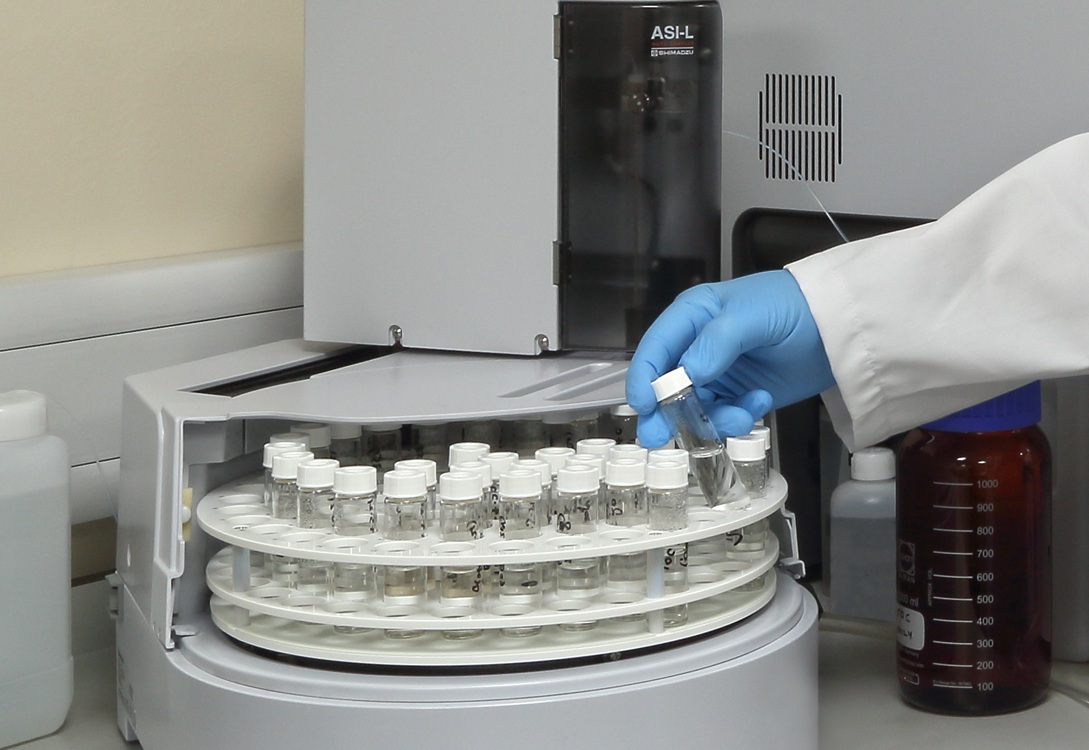
What is Total Organic Carbon (TOC)?
It is a measure of the amount of carbon found in organic compounds present in a sample, typically water. It’s a key parameter in water quality analysis, environmental monitoring, and pharmaceutical manufacturing, as it reflects the level of organic contamination.
- TOC represents the total carbon in all organic compounds in a sample.
- It does not include inorganic carbon (like carbonates or bicarbonates) unless specified (sometimes measured separately as Total Carbon, TC).
Why it Matters:
- High TOC can indicate contamination from:
- Microorganisms
- Organic chemicals (like solvents or cleaning residues)
- Natural organic matter (humic acids, plant matter)
- In pharmaceuticals and biotechnology, TOC in water must be controlled because organics can:
- Affect product purity
- Promote microbial growth
- Interfere with analytical methods
Analytical Principle – How TOC Works
TOC measurement quantifies the carbon present in organic compounds after they are converted to carbon dioxide (CO₂). The general analytical process involves:
- Oxidation of organic carbon to CO₂ using high-temperature combustion or UV/persulphate oxidation.
- Detection of the resulting CO₂ by non-dispersive infrared (NDIR) analysis or conductimetric methods.
- Calculation of TOC by subtracting inorganic carbon contributions where required.
This technique provides a rapid and sensitive measure of overall organic contamination, without identifying individual components.
Instrumentation
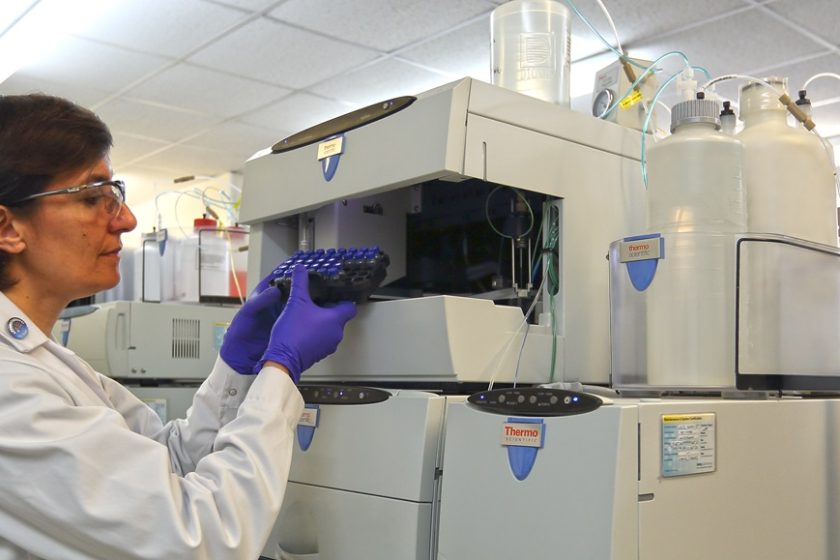
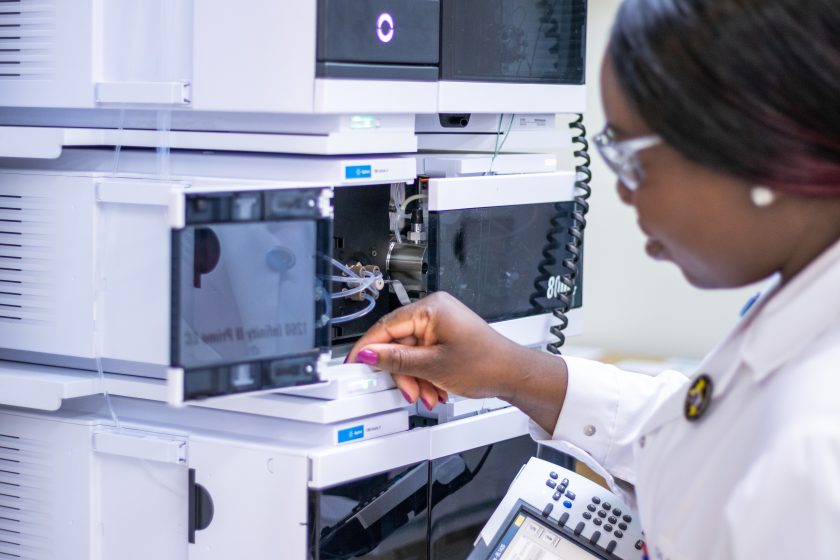
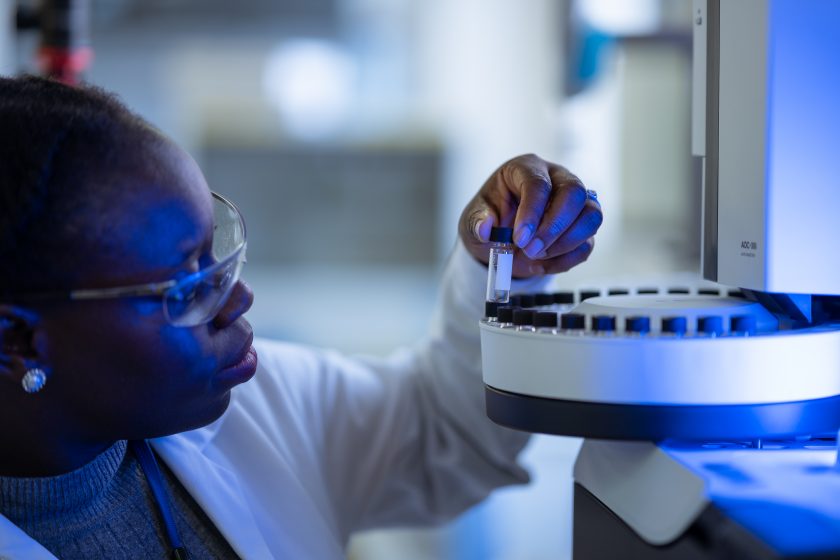
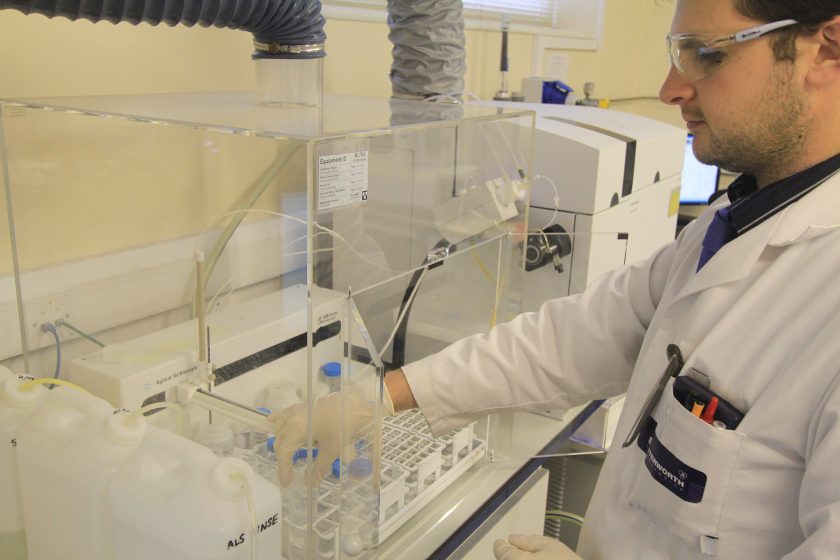
Butterworth Laboratories uses a validated Total Organic Carbon analyser capable of meeting the sensitivity, precision, and system suitability requirements of major pharmacopoeias.
- Ph. Eur. 2.2.44
- USP <643>
- JP 2.59
Our instrument provides robust sample handling, oxidation efficiency monitoring, and internal controls to ensure reliable quantification across a wide concentration range.
Applications
TOC analysis supports a wide range of testing requirements, including:
- Purified water and Water for Injection (WFI) testing
- Cleaning validation and verification
- Process water monitoring
- Raw material and excipient evaluation, where applicable
Results can be used to demonstrate compliance with regulatory specifications and internal quality standards.
Benefits of TOC Analysis
- Highly sensitive detection of trace organic contamination
- Rapid sample throughput
- Non-specific, aggregate measurement for broad applicability
- Conforms to global regulatory frameworks
- Minimal sample preparation
Frequently Asked Questions
TOC analysis is primarily used for aqueous samples, including:
– Purified Water and Water for Injection (WFI)
– Cleaning validation rinses and swabs (after extraction)
– Process water streams
– Filter flush and extractables studies
In some instances, aqueous extracts of materials or excipients may also be assessed.
TOC analysers typically achieve detection limits in the low parts-per-billion (ppb) range. This sensitivity allows for reliable monitoring of high-purity water systems and stringent cleaning procedures.
No. TOC provides a total measurement of organic carbon but does not identify or quantify individual compounds. If detailed profiling is required, complementary techniques such as GC, HPLC, or IC are recommended.
Related Techniques
Butterworth Laboratories also offers complementary analytical techniques, including: